Cart
0
You may also like



When shopping for a metal detector, it can be tempting to choose the cheapest option and hope for the best. After all, if the goal is simply to find coins, jewelry, relics, or lost items, shouldn’t any detector do the job?
Not exactly.
A metal detector’s price often reflects more than just the brand name. It usually represents the quality of the technology, the depth of detection, the accuracy of target identification, the durability of the build, and the overall experience you will have in the field. While entry-level detectors can be a great way to start, investing in a higher-quality machine can make a major difference in how much you find, how often you dig junk, and how enjoyable your hunts become.
Detection Depth Matters
One of the biggest reasons better metal detectors cost more is depth performance. A quality detector can often locate targets buried deeper in the ground, especially coins, jewelry, and relics that lower-end machines may miss.
Depth is influenced by several factors, including coil size, frequency, ground conditions, target size, and the detector’s processing technology. A cheaper detector may work fine for shallow surface finds, but if you are searching older parks, fields, farms, beaches, or historic sites, deeper detection can make a big difference.
The deeper your detector can accurately identify targets, the more opportunities you have to find items others may have walked right over.

Better Target Identification Saves Time
Not every signal is treasure. Pull tabs, bottle caps, nails, foil, and other trash targets are part of the hobby. However, a better detector helps you make smarter digging decisions.
Higher-quality detectors usually provide stronger target ID numbers, clearer tones, and more advanced discrimination settings. This helps you better understand whether a signal may be a coin, ring, relic, iron object, or junk target.
No detector is perfect, but a machine with reliable target identification can save you time, energy, and frustration. Instead of digging every random signal, you can learn your detector and make more informed choices in the field.
Multi-Frequency Technology Adds Versatility
One major feature that can make a detector worth the price is multi-frequency technology. Instead of operating on just one frequency, some detectors can use multiple frequencies to perform better across different environments.
This is especially useful when detecting in areas with changing soil conditions, wet sand, mineralized ground, or mixed targets. Multi-frequency detectors are often better at handling difficult ground and can provide more stable performance.
If you plan to detect in parks, fields, beaches, woods, and wet ground, a more versatile detector may be worth the investment.

Build Quality and Durability Matter
Metal detecting is an outdoor hobby. Your equipment may be exposed to dirt, mud, rain, sand, rocks, water, and constant movement. A detector that feels cheap or fragile may not hold up well over time.
A higher-quality metal detector usually offers better materials, stronger shafts, better waterproofing or weather resistance, more durable coils, and improved ergonomics. This matters if you plan to hunt regularly.
A detector that is comfortable to swing and built to last can make long hunts much more enjoyable.
Waterproof and Water-Resistant Features Add Value
Not every detector is designed for water hunting. Some are only safe for dry land, while others can handle rain, wet grass, shallow water, or even full submersion.
If you want to search beaches, creeks, lakes, rivers, or wet conditions, waterproof capability can be a major value factor. A waterproof detector gives you more freedom and helps protect your investment.
Even if you mostly detect on land, weather-resistant construction can give peace of mind when conditions change.
Coil Options Can Expand What You Can Do
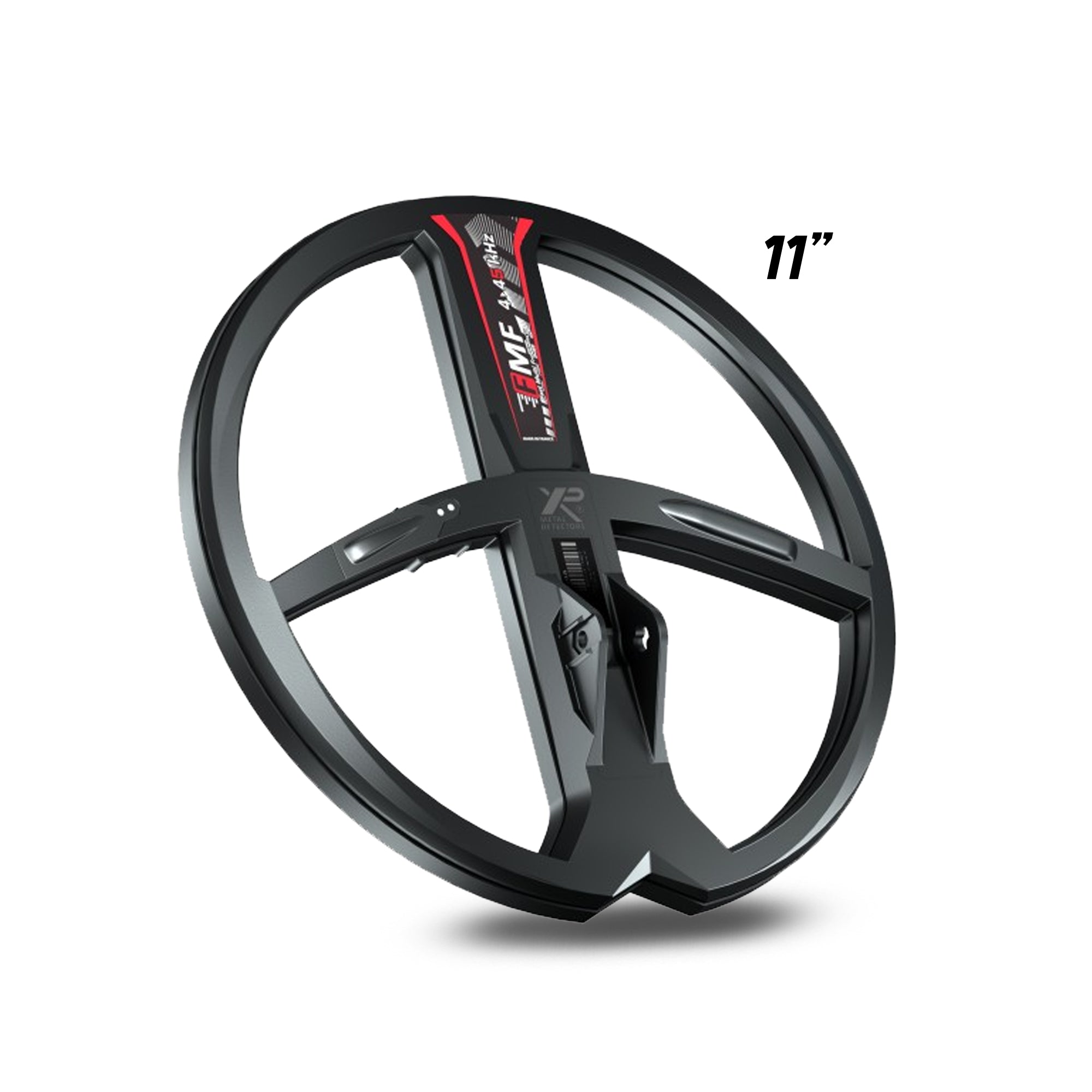
The coil is one of the most important parts of a metal detector. Different coils can help with different types of hunting.
Larger coils can cover more ground and may reach deeper targets. Smaller coils can help separate good targets from trash in crowded areas. Specialty coils can improve performance in certain environments.
A detector that supports multiple coil options gives you room to grow as your skills improve. This flexibility can make a machine more valuable over the long term.
Comfort Is More Important Than People Think
A metal detector may have great features, but if it is uncomfortable to swing, you probably will not enjoy using it for long. Weight, balance, handle design, shaft adjustability, and armrest comfort all matter.
A well-balanced detector can reduce fatigue and help you hunt longer. This is especially important for older users, beginners, serious hobbyists, and anyone planning full-day hunts.
The best detector is not always the most expensive one. It is the one that fits your goals, your hunting style, and your comfort level.
Accessories Add Real Field Value
Sometimes the detector itself is only part of the equation. Bundles and accessory packages can add strong value, especially for beginners.
Useful accessories may include:
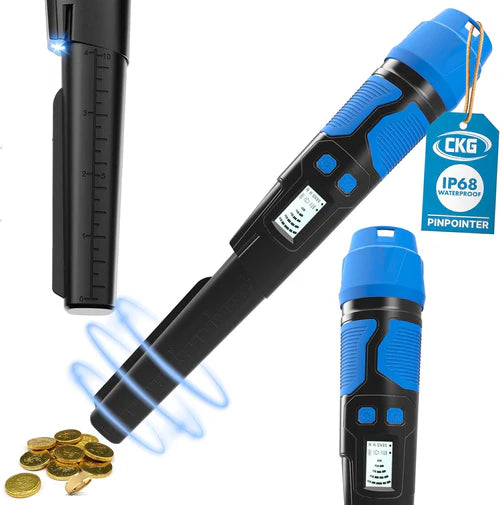
● Pinpointers
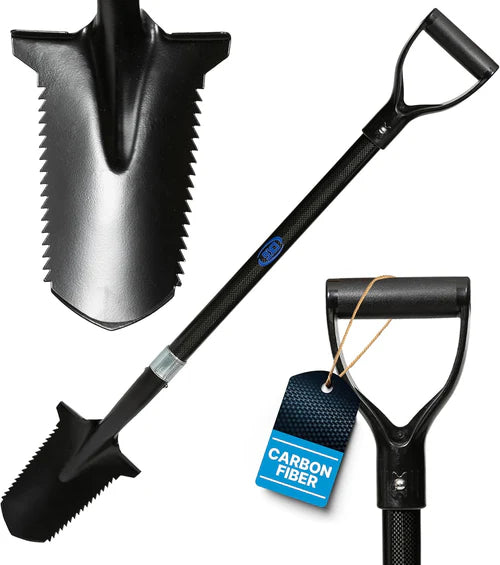
● Digging tools
● Finds pouches
● Carry bags
● Headphones
● Coil covers
● Sand scoops
● Protective cases
A detector bundle can often save money compared to buying each item separately. More importantly, the right accessories help you recover targets faster, dig cleaner holes, protect your equipment, and enjoy the hobby more.
Brand Support and Reliability Matter
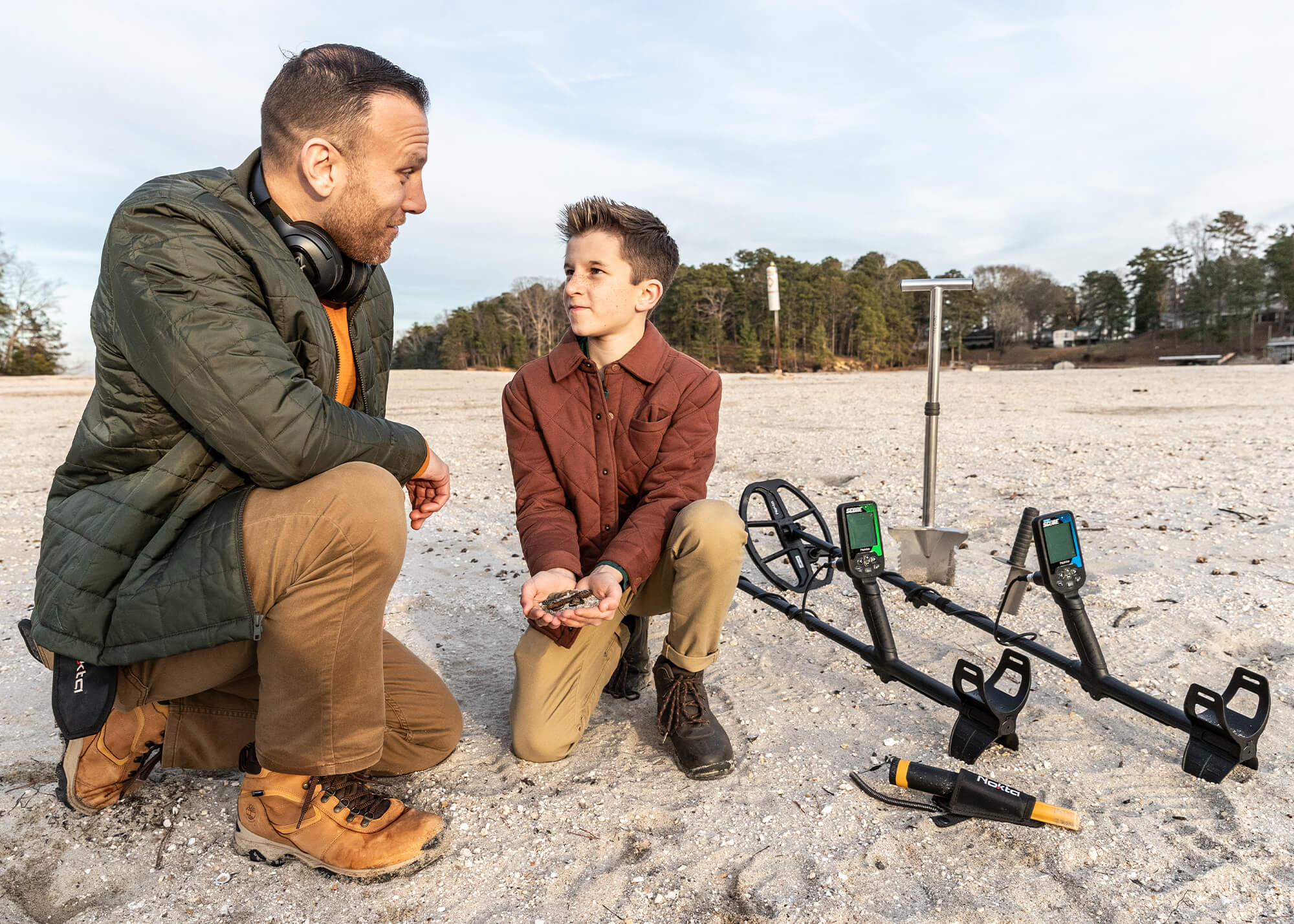
A good metal detector should come from a trusted brand with a strong reputation. Brands like Garrett, Minelab, Nokta, and XP have earned trust because of their technology, reliability, and continued support.
When you buy from a trusted brand and a knowledgeable dealer, you are not just buying a machine. You are buying confidence, guidance, and support if you have questions after the purchase.
That support can be especially valuable for beginners who are still learning settings, tones, accessories, and hunting techniques.
Cheap Detectors Can Cost More in the Long Run
A low-cost detector may seem like a good deal at first. But if it misses targets, gives unstable signals, lacks depth, breaks easily, or frustrates you in the field, it may end up costing more in the long run.
Many beginners start with a cheap detector, get discouraged, and assume metal detecting is not for them. In reality, the issue may not be the hobby. It may be the equipment.
A better detector can help you learn faster, find more, and stay excited about each hunt.
So, What Makes a Metal Detector Worth the Price?
A metal detector is worth the price when it gives you the right combination of performance, reliability, comfort, features, and long-term value.
The best detector for you depends on where you plan to hunt, what you hope to find, and how often you plan to use it. Beginners may want a simple, reliable machine with easy controls. Serious detectorists may want advanced settings, better depth, waterproof features, and multi-frequency technology.
The goal is not always to buy the most expensive detector. The goal is to buy the right detector for your mission.
Find the Right Detector for Your Next Hunt : At Aquaterra Elite Detectors, we carry metal detectors, bundles, accessories, and trusted brands designed for every level of detectorist. Whether you are just getting started or upgrading to a more advanced machine, the right equipment can make every hunt more productive and more enjoyable.
Explore our latest detectors, bundles, and accessories today, and get ready for your next great find.