Cart
0
You may also like


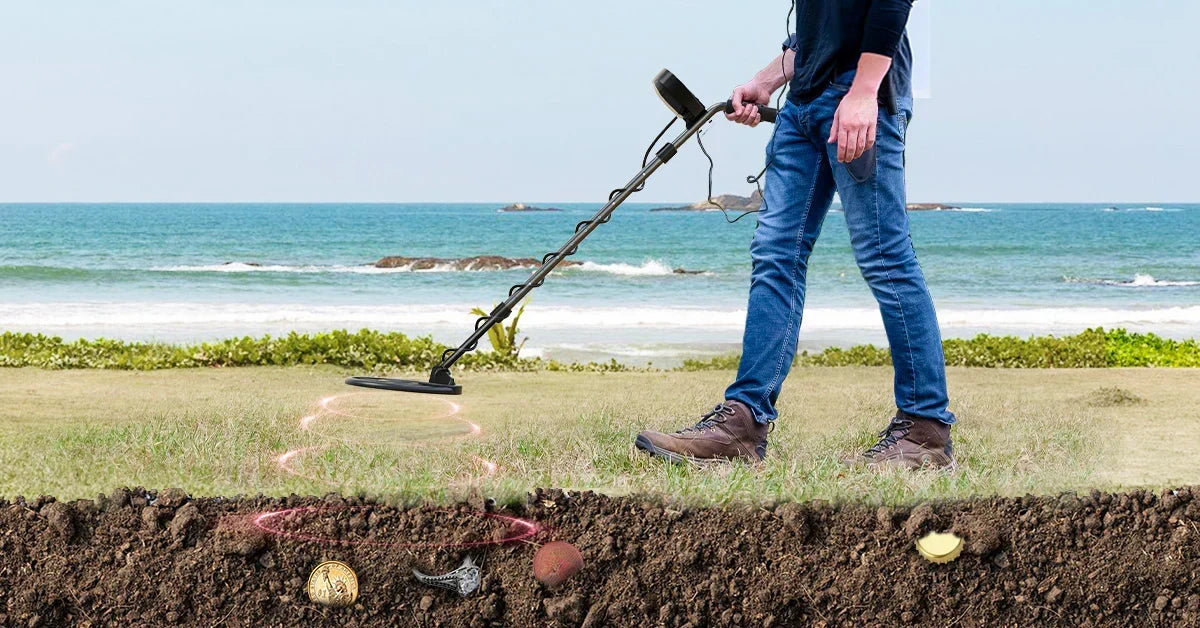
Metal detecting can take you almost anywhere. One day you may be searching a local park, old farm field, or backyard. The next day you may be walking along a beach, scanning a riverbank, or searching shallow water for lost jewelry. But before you head out, there is one important question to answer:
Do you need a land detector, a water detector, or one that can handle both?
Choosing the right metal detector depends on where you plan to hunt, what you hope to find, and how much flexibility you want in the field. Land and water detecting can both be exciting, but they require different features, different accessories, and sometimes different machines.
What Is Land Metal Detecting?
Land metal detecting is the most common way people get started in the hobby. It usually includes searching parks, yards, fields, farms, wooded trails, old home sites, fairgrounds, and public areas where detecting is allowed.
Land detecting is popular because it is easy to access, beginner-friendly, and does not always require specialized waterproof equipment. For many hobbyists, a good land detector is the perfect first machine. Common land finds may include:
● Coins
● Jewelry
● Buttons
● Tokens
● Old tools
● Historic items, Relics
● Keys and other Lost personal objects
Land hunting is ideal for beginners because it gives you time to learn your detector’s tones, target ID numbers, depth readings, and settings without dealing with waves, current, wet sand, or underwater recovery.
What Makes a Good Land Metal Detector?
A good land detector should be lightweight, accurate, comfortable, and easy to control. Since many land hunts involve walking for long periods, weight and balance matter more than many beginners realize. Important land detecting features include:
● Strong target identification
● Adjustable sensitivity
● Good depth performance
● Comfortable design
● Reliable discrimination settings
● Clear audio tones
● Coil options for different locations
● Easy setup for beginners
If you plan to search parks or older properties with a lot of trash targets, target separation is especially important. A detector with good separation can help you identify valuable targets that may be close to nails, pull tabs, foil, or other junk.
What Is Water Metal Detecting?
Water metal detecting involves searching in or near water. This may include beaches, lakes, rivers, creeks, swimming areas, sandbars, and shallow water zones.
Water hunting can be extremely rewarding because people often lose rings, watches, coins, phones, jewelry, and other valuables near water. Beaches and swimming areas are especially popular because people remove jewelry, carry loose change, and spend time in the water. You might also expect to find historical items near old water crossings. Water detecting can produce great finds, but it also requires the right equipment. Not every detector is safe to use in wet conditions, and not every waterproof detector is designed for full underwater use.
Water-Resistant vs. Waterproof: Know the Difference
This is one of the most important things to understand before buying a detector.
A water-resistant detector may be able to handle rain, wet grass, or light splashes, but that does not mean it can be submerged. A waterproof detector is designed to handle water exposure more seriously, but you still need to check how deep it can safely go.
Some detectors have waterproof coils but non-waterproof control boxes. That means the coil can go in shallow water, but the main control unit must stay dry. Other detectors are fully waterproof and can be submerged according to the manufacturer’s depth rating.
Before using any detector near water, always confirm what parts are waterproof and what the depth limit is.
What Makes a Good Water Metal Detector?
A good water detector should be waterproof, stable, durable, and able to handle difficult conditions such as wet sand, mineralized ground, and moving water.
Important water detecting features include:
● Waterproof construction
● Stable performance in wet sand or shallow water
● Good sensitivity to small jewelry
● Comfortable grip and shaft design
● Durable coil and cable
● Clear audio through headphones
● Saltwater or freshwater compatibility
● Strong target recovery accessories
If you plan to detect on ocean beaches, saltwater performance becomes especially important. Salt can create interference and unstable signals on some detectors. A machine that performs well in freshwater may not always perform as well in saltwater.
Freshwater vs. Saltwater Detecting
Freshwater detecting is usually easier than saltwater detecting. Lakes, rivers, and creeks can still have mineralization and trash targets, but they typically do not create the same signal challenges as saltwater beaches.
Saltwater detecting is different because wet salt sand can confuse certain detectors. This may cause false signals, chatter, or unstable target readings. If you plan to hunt ocean beaches, you will want a detector designed to handle saltwater environments.
For inland detectorists, a quality waterproof or water-capable detector may be perfect for lakes, creeks, and swimming areas. For coastal hunters, saltwater performance should be a major factor in the buying decision.
Which Detector Is Better for Beginners?
For most beginners, a land detector or all-terrain detector is usually the best place to start. Land detecting is easier to learn, requires fewer specialized accessories, and gives you more control while you build your skills.
However, if you know you will spend a lot of time at beaches, lakes, rivers, or swimming areas, it may be worth starting with a waterproof or all-terrain model right away.
The best beginner detector is not always the cheapest one. It is the one that matches where you actually plan to hunt.
When Should You Choose a Land Detector?
A land detector may be the right choice if you mostly plan to hunt:
● Parks or Trails
● Fields
● Yards
● Farms or Old home sites
● Fairgrounds
● Dry sand
● Wooded areas
Land detectors are great for learning the basics, finding coins, searching for relics, and building confidence. They are often lighter, simpler, and more affordable than advanced waterproof models.
When Should You Choose a Water Detector?
A water detector is the better choice if you plan to hunt equally in wet areas as well as underwater.
● Lakes, Rivers, and Creeks
● Beaches and Shorelines
● Swimming areas
● Wet sand
● Shallow puddles
● Boat launches
What About an All-Terrain Detector?
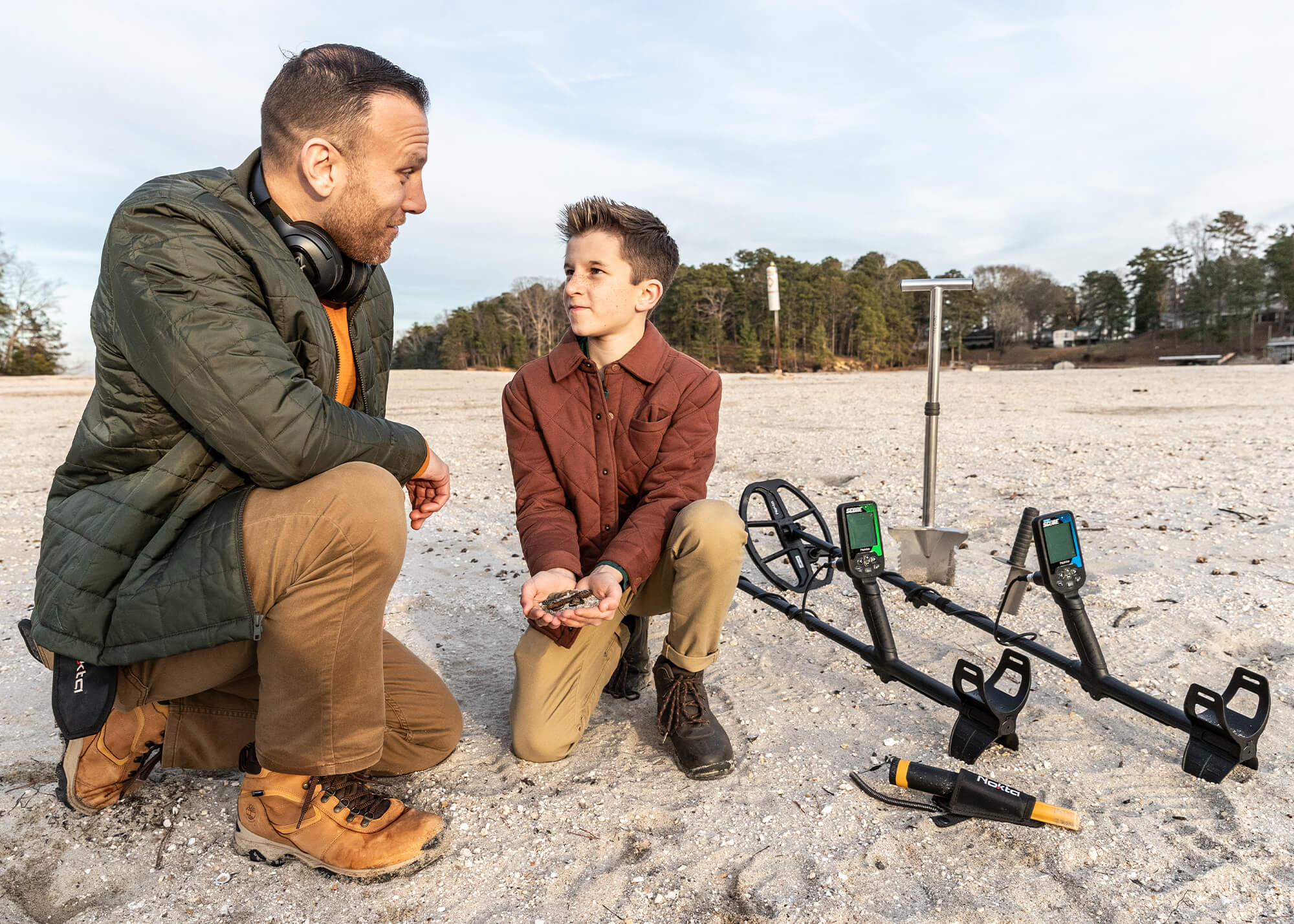
For many detectorists, an all-terrain detector is the best of both worlds. These machines are designed to perform well across multiple environments, including land, wet ground, beaches, and shallow water.
An all-terrain detector can be a smart investment if you do not want to limit yourself to one type of hunting. It gives you more freedom to search different locations without buying multiple machines right away.
This is especially useful for detectorists who hunt parks one weekend and beaches or creeks the next. Currently many brands offer excellent all-terraiin detectors in a solid mid-range price.
Accessories Matter for Land and Water Hunting
The detector is the main tool, but accessories can make a huge difference in the field.
For land detecting, useful accessories include:
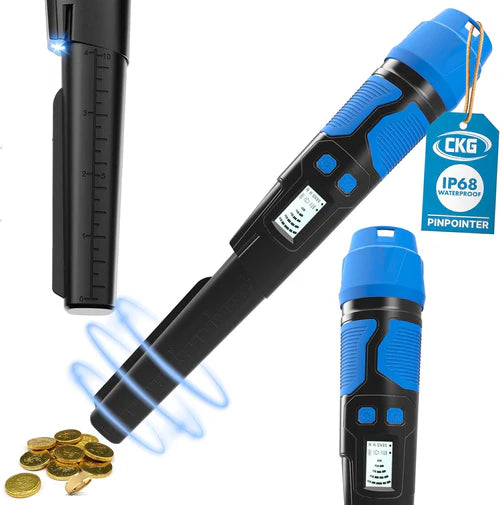
● Pinpointer
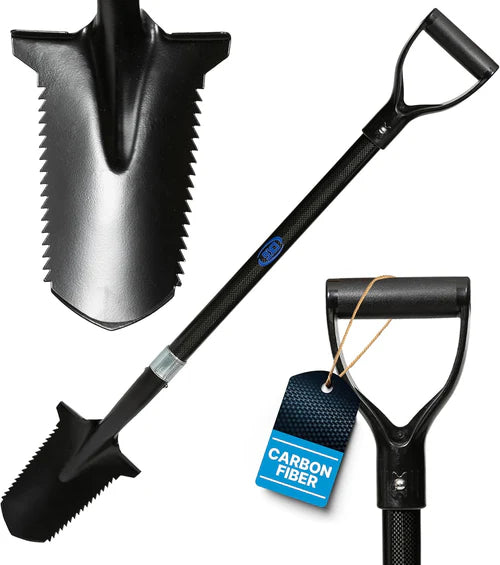
● Digging tool
● Finds pouch
● Gloves
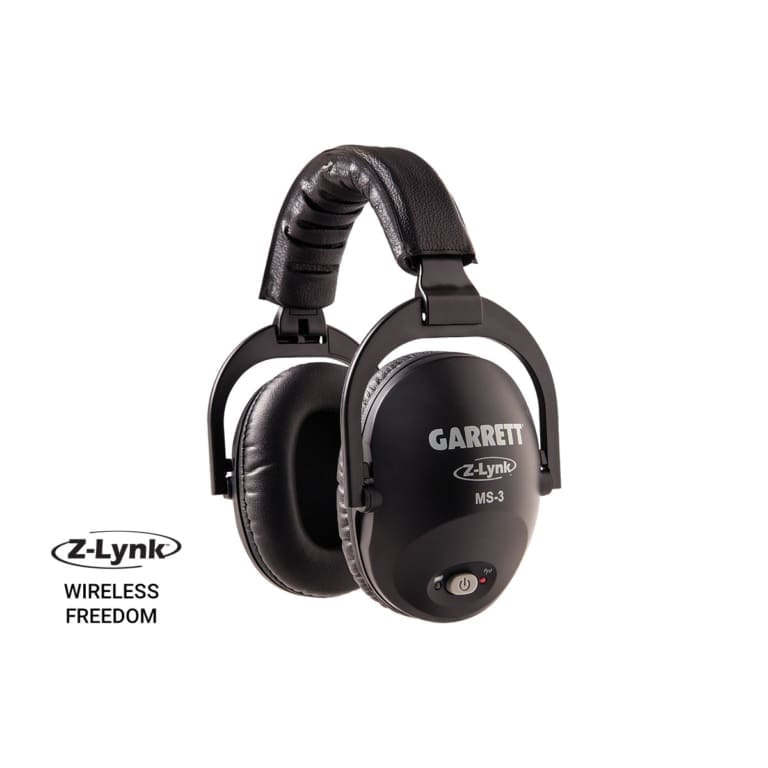
● Headphones
● Coil cover
● Carry bag
For water detecting, useful accessories include:
● Sand scoop
● Waterproof headphones
● Waterproof pinpointer
● Mesh finds pouch
● Gloves
● Durable digging tools
● Protective gear
The right accessories help you recover targets faster, protect your equipment, and make each hunt more enjoyable.
So, Which Detector Do You Really Need?
The answer depends on your mission.
If you are mainly searching parks, fields, yards, and old properties, a quality land detector may be all you need. If you plan to hunt beaches, creeks, lakes, rivers, or shallow water, you should strongly consider a waterproof or all-terrain detector.
If you want the most flexibility, an all-terrain detector may be the smartest long-term choice. It allows you to grow into the hobby and explore more locations without feeling limited.
The key is to think beyond the first hunt. Ask yourself where you will realistically detect most often, what types of finds excite you most, and whether you want a detector that can handle both dry ground and wet conditions.
Find the Right Detector for Your Next Mission
At Aquaterra Elite Detectors, we carry metal detectors, bundles, and accessories for every type of detectorist. Whether you are searching land, water, beaches, parks, fields, or rivers, the right equipment can help you hunt smarter and find more.
Explore our selection of land, water, and all-terrain detectors today, and get ready for your next great discovery.