Cart
0
You may also like




If you want to dramatically improve your success in metal detecting, there is one skill that separates beginners from experienced detectorists: Understanding detector tones. Most people rely only on the screen or target ID numbers. But the truth is, your ears can often tell you more than your eyes ever will. At Aquaterra Elite Detectors, we consistently see that once users learn how to interpret tones properly, their finds increase immediately—even in areas they’ve already searched.
Every time your metal detector passes over an object, it produces an audio response based on that object’s properties. These tones are not random. They reflect differences in conductivity, size, depth, and shape. Modern detectors are designed to communicate detailed information through sound. When you learn to recognize these patterns, you can:
Relying only on visual readings limits your potential. Tones provide a more complete picture.
Most detectors use variations of three main tone characteristics: pitch, consistency, and strength. Pitch refers to how high or low the sound is. High-pitched tones are typically associated with higher conductivity metals such as silver or copper, while lower tones often indicate iron or low-conductivity materials.
Consistency describes how stable the tone is as you sweep over the target. A clean, repeatable tone from multiple directions usually indicates a solid object. A broken or inconsistent tone often suggests trash or irregularly shaped metal. Strength reflects how loud or sharp the signal is. Strong signals often indicate shallow or larger objects, while faint signals may point to deeper or smaller targets.

A clear, repeatable tone from multiple angles is one of the most reliable indicators of a good target. Coins and solid jewelry typically produce this type of response. A choppy or broken tone may indicate iron, bottle caps, or irregular junk. However, it is important to note that partially masked valuable items can also produce imperfect tones, especially in trashy areas.
A faint but consistent tone is often a sign of a deeper object. Many experienced detectorists pay close attention to these subtle signals, as they can lead to older and more valuable finds. A tone that changes depending on sweep direction can indicate multiple targets close together or a target mixed with junk.
Many detectors offer different tone modes. Learning when to use each is key. Single-tone mode produces the same sound for every target. This is useful for beginners or when you want to focus purely on signal strength and consistency without distraction. Multi-tone mode assigns different pitches to different types of metal. This allows you to quickly distinguish between low-conductivity and high-conductivity targets without looking at the screen. More advanced detectors may offer five-tone or even full tonal range systems, providing even greater detail.
Depth changes how a target sounds. Shallow targets usually produce loud, sharp tones that are easy to identify. Deeper targets tend to produce softer, smoother, and sometimes less stable tones. One of the most valuable skills you can develop is recognizing a faint but repeatable signal. These are often the targets that others miss.
While digital target ID is helpful, it is not always reliable, especially at greater depths or in mineralized soil. Numbers can jump or fluctuate, but tones often remain more consistent. Experienced detectorists learn to trust the audio response first and use the screen as a secondary reference.
One of the fastest ways to improve is to practice with known objects. Place items such as coins, nails, pull tabs, and rings on the ground or bury them at different depths. Sweep over them slowly and listen carefully to how each one sounds. This builds familiarity and trains your ear to recognize patterns in real-world conditions.
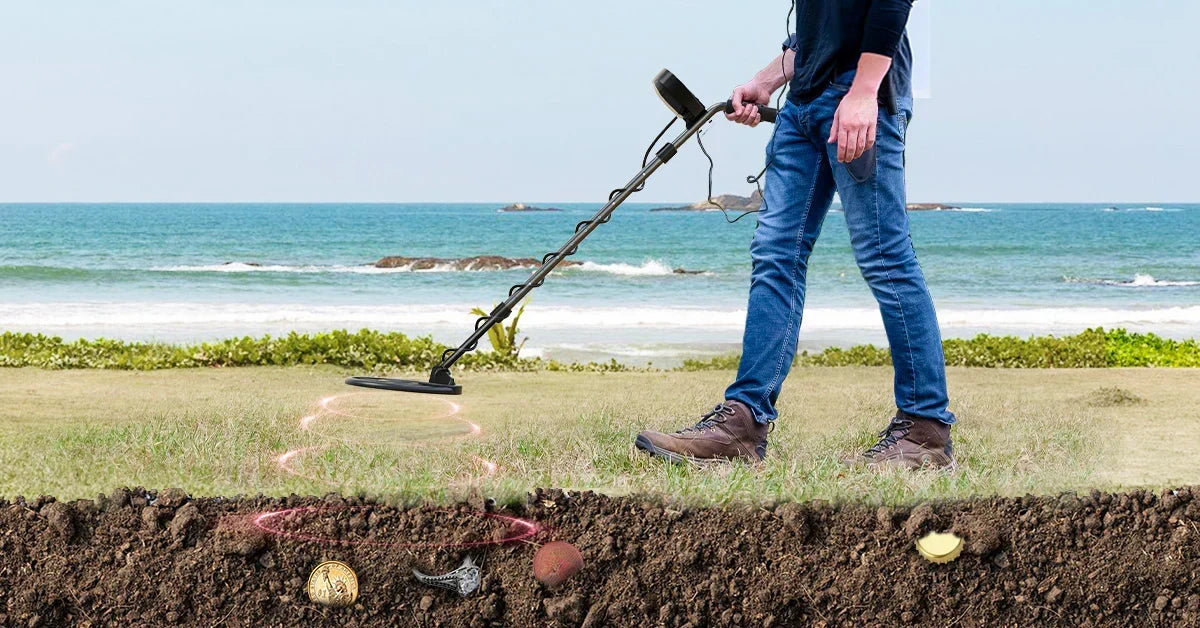
Different environments produce different audio challenges. Parks often contain a mix of modern trash and coins, requiring careful listening for subtle differences in tone. Beaches can introduce interference from salt and moisture, which affects how signals sound. Older sites may contain iron and relics close together, making it important to identify partially masked tones. The more environments you practice in, the more confident you will become.
Many beginners ignore faint signals because they assume they are not worth digging. In reality, these are often deeper and more valuable targets. Another mistake is swinging the detector too quickly. Fast sweeps can distort tones and cause missed signals. Some users rely too heavily on visual target ID and overlook what the audio is telling them. Learning to slow down and listen carefully makes a significant difference.
Becoming skilled at reading tones takes time, but the improvement is noticeable. As you gain experience, you will begin to recognize subtle differences in sound without needing to think about them. This instinct allows you to move more efficiently and make better decisions in the field. Many experienced detectorists can identify likely targets almost instantly based on tone alone.
Higher-quality detectors provide clearer, more precise audio feedback. They offer better tone separation, faster response, and more accurate representation of targets. At Aquaterra Elite Detectors, we often see users upgrade and immediately notice how much easier it is to interpret tones. The signals become more defined, making it easier to distinguish valuable targets from junk.
Learning how to read detector tones is one of the most important skills in metal detecting. It allows you to go beyond surface-level detection and truly understand what your machine is telling you. With practice, patience, and the right equipment, you will begin to uncover targets that others have walked over.
If you want to take your detecting to the next level, Aquaterra Elite Detectors offers expert guidance and high-performance detectors designed to give you clearer signals and better results. Master your tones, and you’ll start finding what others miss.